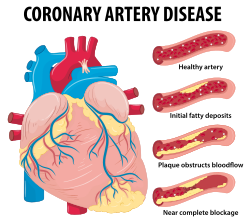

Cardiovascular disease remains a leading cause of death worldwide. Discover practical, evidence-based strategies to protect your heart and improve your cardiovascular health at any age.
Understanding Heart Health
Heart health is the cornerstone of overall wellness. Your cardiovascular system powers every cell in your body, delivering oxygen and nutrients while removing waste products. Unfortunately, modern lifestyles have made heart disease increasingly common, but the good news is that most cardiovascular issues are preventable through lifestyle choices.
According to the American Heart Association, approximately 48% of American adults have some form of cardiovascular disease. The risk factors include high blood pressure, high cholesterol, smoking, diabetes, obesity, poor diet, physical inactivity, and excessive alcohol use.
Key Fact:
Adopting just 5 healthy habits could prevent nearly 80% of first-time heart attacks.
10 Essential Tips for a Healthy Heart
1. Eat a Heart-Healthy Diet
Your diet plays a crucial role in heart health. Focus on:
- Fruits and vegetables: Aim for 5-9 servings daily
- Whole grains: Choose brown rice, quinoa, oats, and whole wheat
- Lean proteins: Fish, poultry, beans, and legumes
- Healthy fats: Avocados, nuts, seeds, and olive oil
Limit sodium, saturated fats, trans fats, and added sugars. The Mediterranean diet is particularly beneficial for heart health.

2. Exercise Regularly
Physical activity strengthens your heart muscle, improves circulation, and helps maintain a healthy weight. Aim for:
- 150 minutes of moderate-intensity aerobic activity per week
- 75 minutes of vigorous-intensity activity per week
- Strength training exercises at least twice weekly
Even small amounts of activity add up. Take the stairs, park farther away, or do short exercise breaks throughout your day.
3. Manage Stress Effectively
Chronic stress contributes to high blood pressure and other heart disease risk factors. Effective stress management techniques include:
- Mindfulness meditation
- Deep breathing exercises
- Regular physical activity
- Maintaining social connections
- Getting adequate sleep
"The greatest weapon against stress is our ability to choose one thought over another." - William James
4. Quit Smoking
Smoking damages the lining of your arteries, reduces oxygen in your blood, and raises blood pressure. Quitting smoking is the single best thing you can do for your heart health. Within just one year of quitting, your risk of heart disease drops to about half that of a smoker.
5. Maintain a Healthy Weight
Excess weight strains your heart and contributes to high cholesterol, high blood pressure, and diabetes. Calculate your BMI to see if you're in a healthy range, but remember that body composition matters too. Waist circumference is a good indicator of abdominal fat - aim for less than 35 inches for women and 40 inches for men.

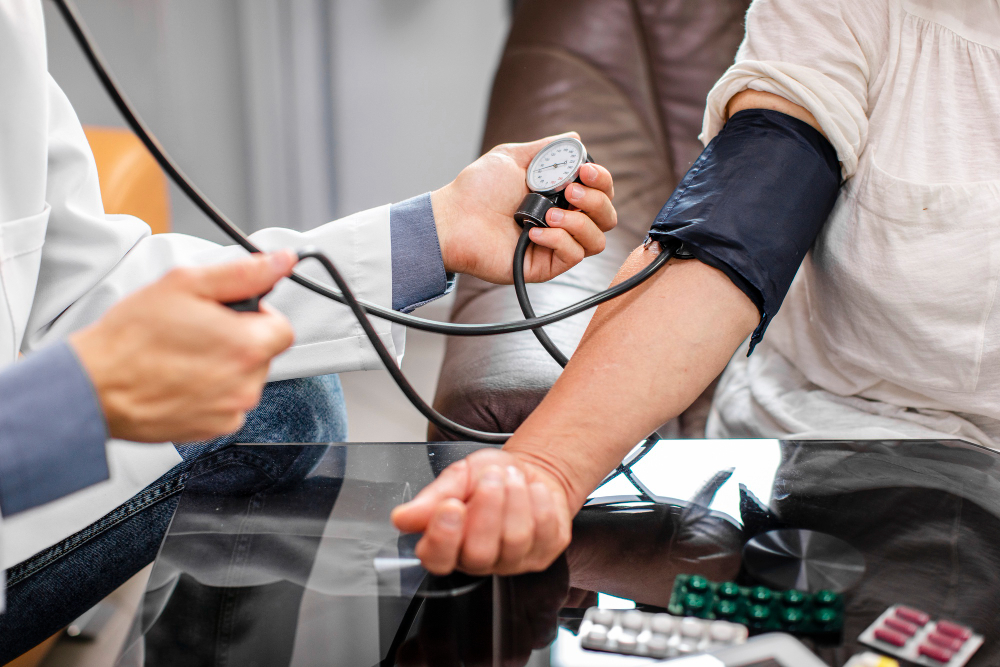
6. Monitor Blood Pressure and Cholesterol
Know your numbers! High blood pressure and cholesterol often have no symptoms but significantly increase heart disease risk. Guidelines:
- Blood pressure: Below 120/80 mmHg
- Total cholesterol: Below 200 mg/dL
- LDL ("bad") cholesterol: Below 100 mg/dL
- HDL ("good") cholesterol: 60 mg/dL or higher
7. Limit Alcohol Consumption
Excessive alcohol intake can raise blood pressure and contribute to heart failure. If you drink alcohol, do so in moderation - no more than one drink per day for women and two for men.
8. Get Quality Sleep
Adults need 7-9 hours of quality sleep each night. Poor sleep is associated with higher risk of high blood pressure, obesity, and diabetes. Establish a regular sleep schedule and create a restful environment.
9. Manage Diabetes
Diabetes significantly increases the risk of heart disease. Keep blood sugar levels under control through diet, exercise, medication (if prescribed), and regular monitoring.
10. Know Your Family History
If close relatives had heart disease at an early age, your risk may be higher. Share this information with your doctor so you can take appropriate preventive measures.
When to See a Cardiologist
Consult a heart specialist if you experience:
- Chest pain or discomfort
- Shortness of breath
- Dizziness or fainting
- Heart palpitations
- Swelling in legs, ankles, or feet
Preventive cardiology visits are also recommended for those with multiple risk factors, even without symptoms.
Conclusion
Heart health isn't about making one big change - it's about consistent, small choices that add up over time. By incorporating these heart-healthy habits into your daily routine, you can significantly reduce your risk of heart disease and improve your overall quality of life. Remember, it's never too early or too late to start caring for your heart.